
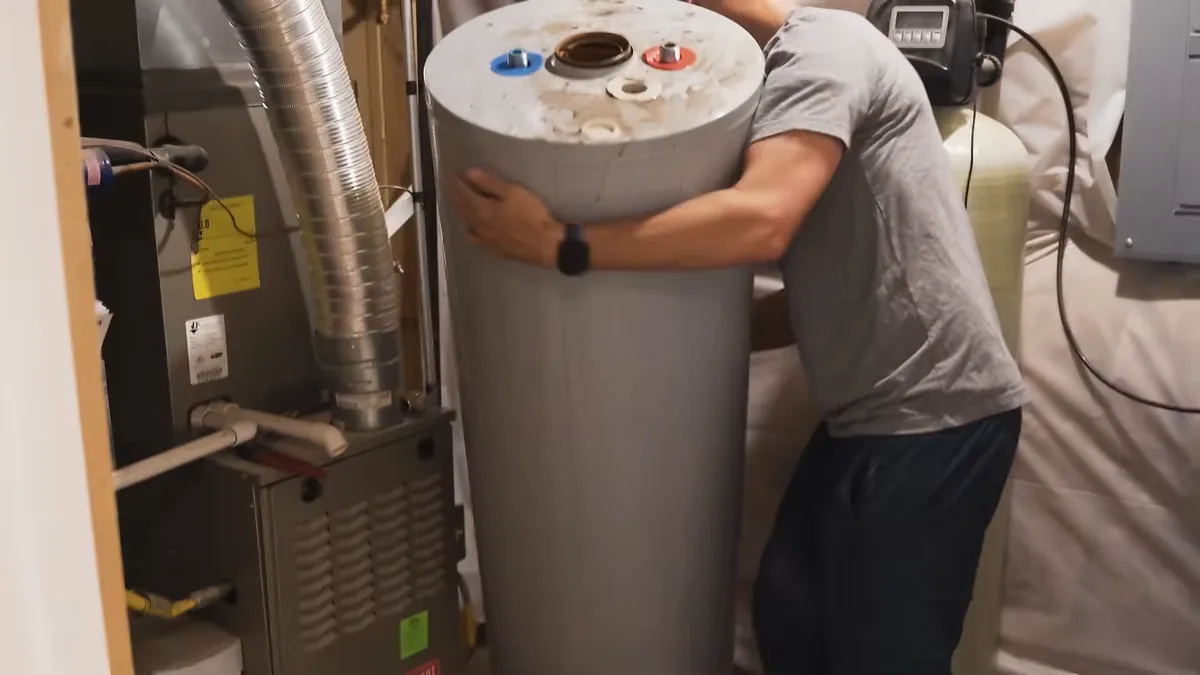
Published by Miller and Sons Water Heater Solutions · Service preparation and decision guidance
Find out what actually failed
Ask whether the problem is a replaceable component, an external connection or the storage vessel. A failed thermostat in an otherwise sound electric heater is a different decision from a corroded tank that leaks. The recommendation should be tied to inspection findings rather than a symptom such as cold water alone.
Separate condition from capacity
If hot water has always run out during normal use, the system may be too small for the demand. A repair can restore intended operation, but it does not increase rated capacity. Explain the number of fixtures used together and any recent changes in occupancy or business use.
Consider the pattern of failures
A single component problem differs from repeated faults across an aging appliance. Ask about parts availability and whether the proposed repair leaves other concerns unresolved. No inspection can promise a precise remaining lifespan, so decisions should acknowledge the uncertainty.
Compare the installation work
A replacement may involve more than removing the old tank. Space, access, supply, venting, condensate and current installation requirements all matter. A tankless or hybrid upgrade deserves its own suitability assessment; it should not be selected solely because it sounds newer.
Ask for a clear recommendation
Useful questions include: What finding supports this option? What problem will the work solve? What alternatives fit the property? Are approvals or supply changes involved? Call Miller and Sons to discuss assessment and repair or replacement for an eligible service address.
Arrange the relevant service
Traditional Tank Water Heater Replacement is a service inquiry topic for residential and commercial properties; actual provider coverage needs confirmation. This site accepts service service inquiries. Have the physical job address ready; visit timing is discussed by phone.
Manufacturer information is model-specific. These links do not imply a manufacturer partnership or certification.
Compare options against the same problem
Ask each option to answer the original complaint. A cheaper component change is not useful if the concern is a vessel leak, and a larger replacement is not automatically necessary for a single confirmed electrical fault. Describe the symptoms once, then compare which findings support repair and which support replacement. This avoids evaluating one proposal as a fault repair and another as a capacity upgrade without recognizing that the scopes differ.
Identify work outside the appliance
A recommendation may include supply, venting, drainage or access changes. Ask whether those are needed because of the chosen replacement or because the existing arrangement has a separate problem. Either may be legitimate, but the distinction helps you understand the scope. Do not assume a new heater includes every associated plumbing or building repair. Clear inclusion and exclusion questions are more useful than an unexplained preference for new equipment.
Keep uncertainty visible in the decision
No one can establish a precise remaining lifespan from appearance alone. Ask what is known about the tank, which conditions were accessible and whether parts are available. Treat estimated life, future demand and missing maintenance history as uncertainty rather than evidence. A good comparison can still lead to a decision without a promised lifespan, guaranteed savings or a claim that all equipment must be replaced at a particular age.
Decisions about repair or replace a water heater
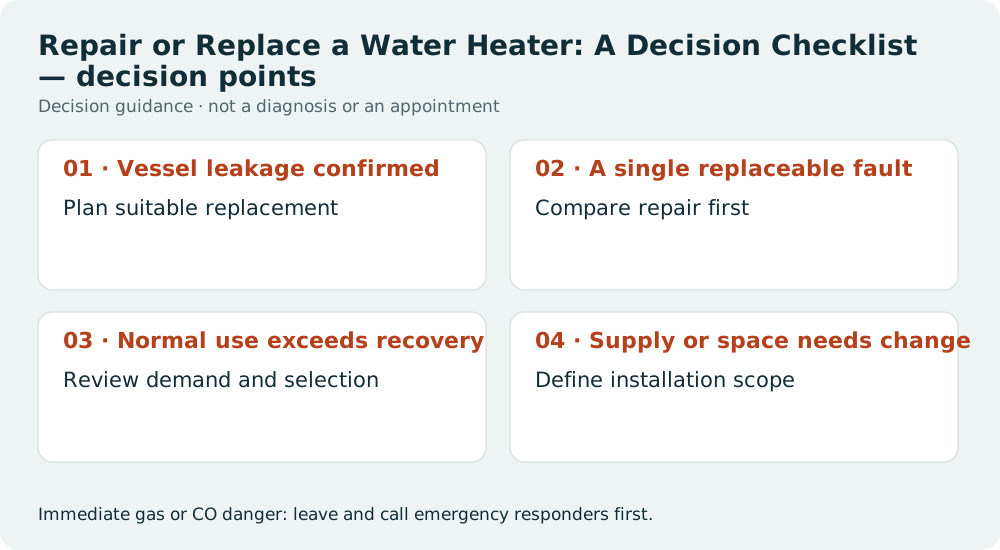
| Observation | Discussion to have | Limitation |
|---|---|---|
| Vessel leakage confirmed | Plan suitable replacement | A new heating component cannot repair the vessel. |
| A single replaceable fault | Compare repair first | Age alone is not proof replacement is required. |
| Normal use exceeds recovery | Review demand and selection | Replacing with the same capacity may preserve the shortage. |
| Supply or space needs change | Define installation scope | A like-for-like swap and a conversion differ. |
The table is a way to organize a service discussion, not an equipment test. A clear symptom report helps distinguish a fault from demand or installation concerns. Professional assessment still needs the actual model and conditions. Do not select a component, cleaning method or replacement solely from a comparison that cannot inspect your heater.
Put the information into a useful call
- Use repair or replace a water heater as a preparation topic, then begin the call with what actually happened at the property. Mention active leakage or shutdown before routine maintenance questions.
- Give the physical job address and ZIP, equipment type and any safely readable model or warning. Identify what is known and what history is missing.
- Explain access and authority to approve work. At a business or rental, the occupant, manager and equipment contact may be different people.
- Confirm the service provider, actual coverage, visit arrangements and scope. A website inquiry is not a booked appointment, and a call click is not evidence that service occurred.
Questions about repair or replace a water heater
Does age alone decide replacement?
No. Age informs planning but does not establish the current fault. Ask about vessel condition, suitable parts, safety, repair history and whether output meets demand. A single replaceable fault and a leaking tank body have different options. A precise remaining lifespan cannot be assumed from age alone.
Will a new heater fix a cold shower at one fixture?
Not necessarily. A fixture mixing or delivery issue may remain even if the appliance is replaced. Report which outlets are affected and ask how the proposed work addresses that pattern. Replacement should be tied to findings, not used as a universal response to any cold water.
Should I choose tankless as the default replacement?
Compare it with actual demand and installation conditions first. Supply, venting, drainage and maintenance access can affect suitability. An on-demand appliance has output limits, while delivery delay also involves the pipe run. Suitable storage or hybrid alternatives may address the need differently.
What to take from this guide
Repair or replace a water heater is useful when it helps you separate what you observed from what still needs testing. Keep the symptom, location, equipment information and access contact together. Ask which finding supports the recommended work and whether anything remains outside the agreed scope.
For the wider service context, read the Burlington water heater repair guide and the linked service page. This is an authorized water heater service website. Calls are accepted 24/7, while provider identity, eligibility and appointment details need confirmation. For a gas odor, CO alarm or immediate danger, leave and contact emergency responders from safety before arranging appliance service.