
Published by Miller and Sons Water Heater Solutions · Service preparation and decision guidance
Report the starting point
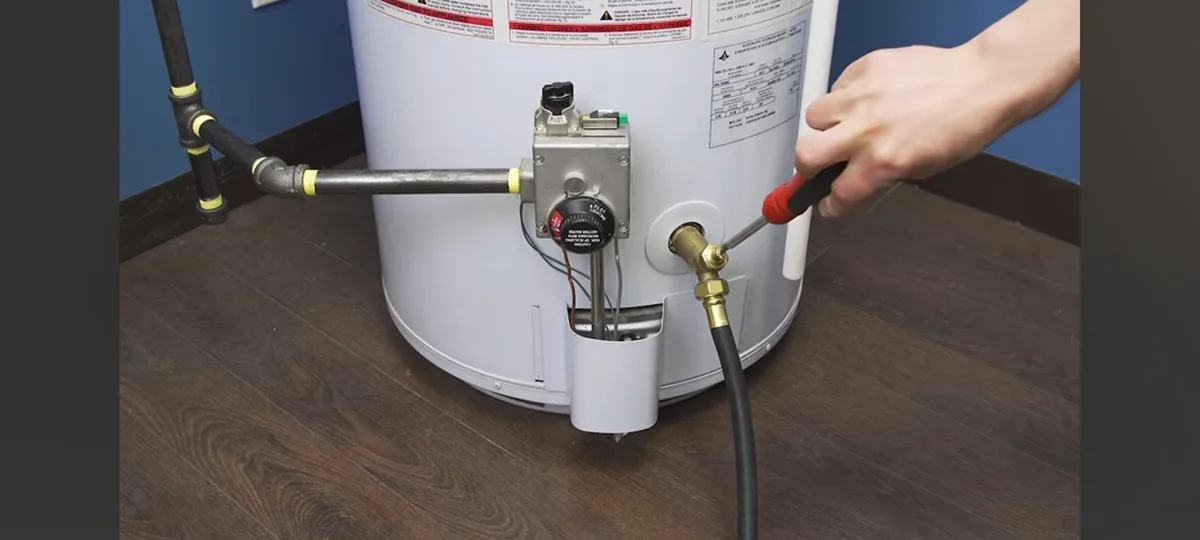
From a safe distance, note whether moisture is at a pipe connection, the base, a drain pan or a discharge pipe. Water can travel along a surface before reaching the floor. Avoid opening covers or touching wet equipment to trace it; professional leak checks are more reliable.
Notice when it happens
Does water appear continuously, only during a heating cycle or after another fixture is used? Condensing equipment has a drainage arrangement that also deserves inspection. Timing helps narrow the cause without assuming moisture is harmless.
Treat relief discharge separately
A temperature-and-pressure relief valve can release hot water when conditions cause it to open. Its discharge pipe must remain unobstructed. Replacing the valve without checking temperature, pressure and expansion can leave the underlying condition unresolved.
Understand repair limits
A pipe fitting, drain valve or other replaceable component may be serviceable. Leakage through the storage vessel generally means replacement. Sealants or a patch are not a sound substitute for assessing the tank’s condition.
Keep the area safe
Stay out of standing water near electrical equipment and keep others away from hot discharge. Tell the service contact if water is actively spreading. If a gas smell or CO alarm is also present, leave and contact emergency responders first.
Arrange the relevant service
Water Heater Leak Detection & Repair is a service inquiry topic for residential and commercial properties; actual provider coverage needs confirmation. This site accepts service service inquiries. Have the physical job address ready; visit timing is discussed by phone.
Manufacturer information is model-specific. These links do not imply a manufacturer partnership or certification.
Manufacturer information is model-specific. These links do not imply a manufacturer partnership or certification.
Make the timing part of the report
Moisture noticed only during operation is useful context, but it is not proof of harmless condensation. A continuous drip, heating-cycle discharge and water arriving from nearby plumbing may need different checks. Note the timing without approaching electrical equipment or hot discharge. The professional can use that description to trace the source safely. Avoid wiping everything dry simply to keep testing whether it returns while a hazard remains.
Ask what the source finding changes
Once the source is identified, the service discussion should explain how that finding affects the options. A replaceable fitting, a discharge condition and failed tank metal are different cases. Ask whether the proposed work addresses the cause and whether surrounding drainage or damage also requires attention. This prevents a temporary change to one wet connection from being mistaken for an explanation of every puddle in the installation area.
Document the result without making it a guarantee
Keep the source description and the work agreed upon, especially where more than one concern exists. If moisture appears again, report whether it seems to originate from the same place and under the same conditions. Do not assume recurrence is identical to the original fault. A service record helps the next assessment, but it does not establish that unrelated pipes, drainage or concealed building materials were repaired.
Decisions about water around a heater
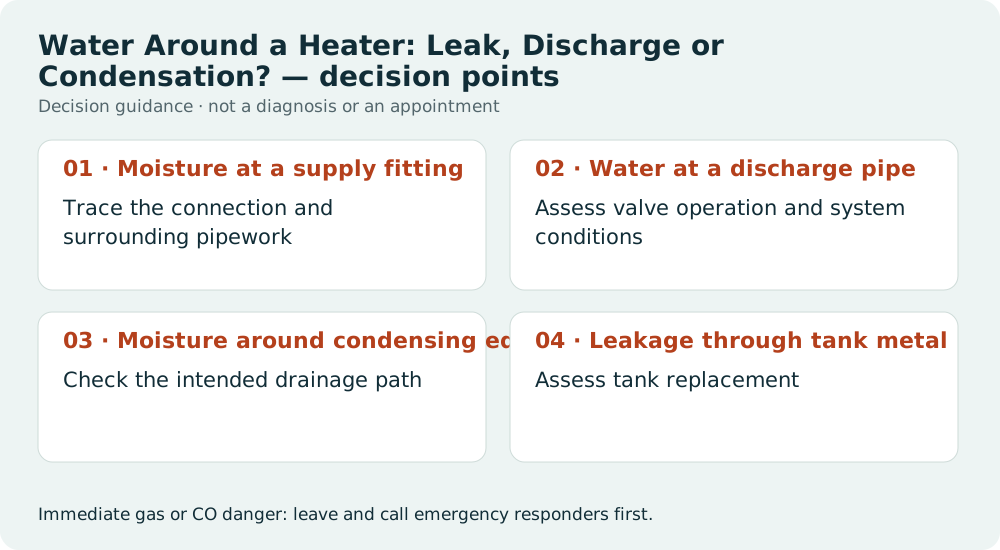
| Observation | Discussion to have | Limitation |
|---|---|---|
| Moisture at a supply fitting | Trace the connection and surrounding pipework | A replaceable fitting differs from a failed vessel. |
| Water at a discharge pipe | Assess valve operation and system conditions | Replacing a valve may not remove a pressure cause. |
| Moisture around condensing equipment | Check the intended drainage path | Condensate and vessel leakage need different work. |
| Leakage through tank metal | Assess tank replacement | A surface patch is not an alternative to assessing vessel failure. |
The table is a way to organize a service discussion, not an equipment test. A clear symptom report helps distinguish a fault from demand or installation concerns. Professional assessment still needs the actual model and conditions. Do not select a component, cleaning method or replacement solely from a comparison that cannot inspect your heater.
Put the information into a useful call
- Use water around a heater as a preparation topic, then begin the call with what actually happened at the property. Mention active leakage or shutdown before routine maintenance questions.
- Give the physical job address and ZIP, equipment type and any safely readable model or warning. Identify what is known and what history is missing.
- Explain access and authority to approve work. At a business or rental, the occupant, manager and equipment contact may be different people.
- Confirm the service provider, actual coverage, visit arrangements and scope. A website inquiry is not a booked appointment, and a call click is not evidence that service occurred.
Questions about water around a heater
Does a puddle always mean tank failure?
No. A connection, discharge arrangement, condensate route or nearby pipe can be involved. Have the source assessed before choosing work. Failed vessel metal generally leads to replacement, while a serviceable fitting can have different options. Avoid tracing water by touching wet electrical equipment.
Can I plug the discharge pipe to stop water?
No. The relief outlet must remain unobstructed. Discharged water can be hot, so keep clear and report the timing safely. The valve and the conditions that caused discharge need assessment together. A dry pipe obtained by blocking the safety function is not a repair.
What if the water returns after a connection repair?
Report where it appears and whether the timing matches the original complaint. Retain the service information. A second source or another operating condition may be involved; recurrence does not remotely prove that the same part failed. Request appropriate reassessment rather than improvising a patch.
What to take from this guide
Water around a heater is useful when it helps you separate what you observed from what still needs testing. Keep the symptom, location, equipment information and access contact together. Ask which finding supports the recommended work and whether anything remains outside the agreed scope.
For the wider service context, read the Burlington water heater repair guide and the linked service page. This is an authorized water heater service website. Calls are accepted 24/7, while provider identity, eligibility and appointment details need confirmation. For a gas odor, CO alarm or immediate danger, leave and contact emergency responders from safety before arranging appliance service.