
Published by Miller and Sons Water Heater Solutions · Service preparation and decision guidance
Start with the extent of the problem
Is there no hot water anywhere, or only at one shower or sink? Tell us whether the water stays cold, warms briefly or runs out after normal use. A problem at one fixture may involve its mixing control or supply rather than the heater itself. Avoid changing settings or opening covers just to collect information.
Identify the equipment without taking it apart
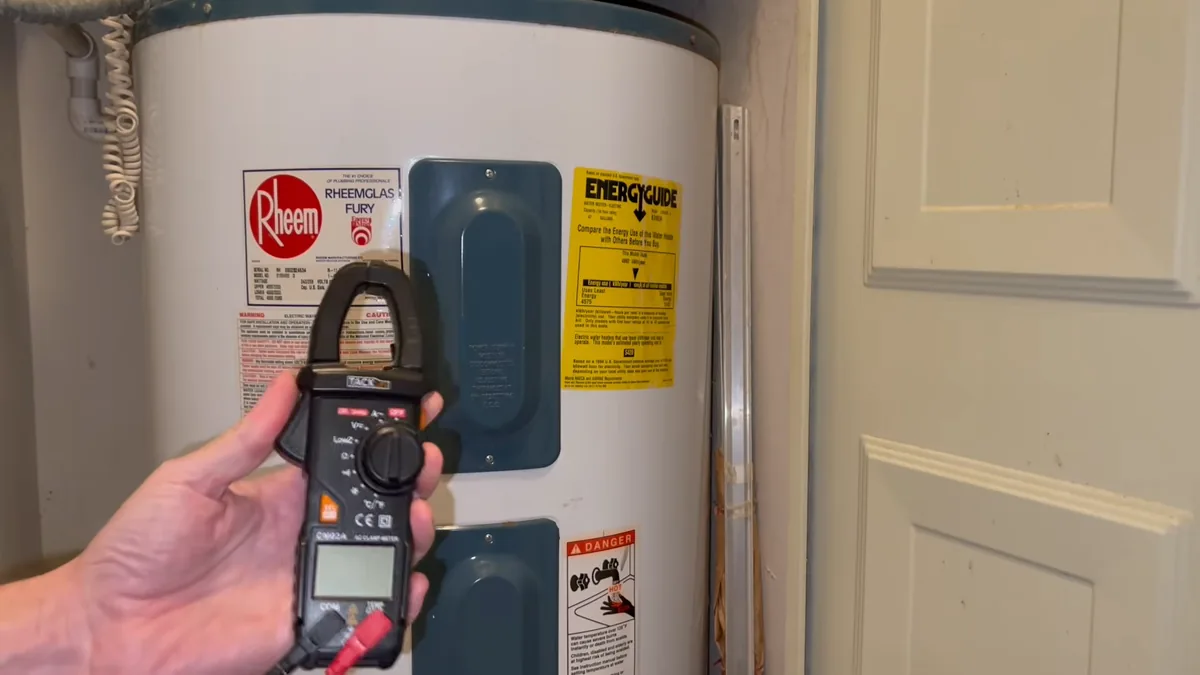
If a visible label can be read safely, note the brand and model. Say whether the unit is a storage tank, wall-mounted tankless appliance or hybrid tank. Describe any display message exactly. Do not remove a panel to find a serial number, and do not touch the appliance if water is near electrical connections.
Explain what changed
A recent power outage, plumbing alteration or change in household demand can help frame the assessment. Mention whether the fault is new or recurring and whether anyone has attempted a reset. These details guide testing; they do not establish that the most recent event caused the failure.
Prepare the visit details
Have the physical service address and ZIP ready. Explain whether the heater is in a closet, crawlspace, garage or business utility room. For a rental, identify who can authorize work. For commercial premises, describe any access restrictions or times when equipment can be taken out of service.
Put hazards ahead of scheduling
For a gas odor or CO alarm, leave the area and call emergency responders and the gas utility from a safe location. For water spreading near electrical equipment, stay clear and report the situation. Once immediate safety concerns are addressed, call to discuss the request to discuss water heater service.
Arrange the relevant service
Water Heater Diagnostic & Troubleshooting is a service inquiry topic for residential and commercial properties; actual provider coverage needs confirmation. This site accepts service service inquiries. Have the physical job address ready; visit timing is discussed by phone.
Manufacturer information is model-specific. These links do not imply a manufacturer partnership or certification.
Manufacturer information is model-specific. These links do not imply a manufacturer partnership or certification.
Use one clear opening sentence
A useful opening is a description of the problem, not a guessed repair. You might report that every hot tap remains cold or that the heater starts and then stops. Follow with the physical location and whether water is escaping. If there is immediate danger, emergency responders take priority. For a service request, that order puts the most consequential information ahead of the model number or a long history of unrelated work.
Separate observation from interpretation
If you saw a code, report the code. If you heard a sound, describe its timing. Do not turn an internet suggestion into a confirmed element, valve or sensor failure. You can say that you are concerned about a component while making clear that it has not been tested. This gives the professional room to assess the system rather than treating the first suspected part as an authorized replacement.
Have someone responsible for access ready
For a rental or business, the person using hot water may not control the utility room. Identify who can open it and who approves work. Give any restriction on entering occupied units or isolating shared equipment. A complete address and an authorized contact help define the request; they do not guarantee a particular appointment or that a repair can be completed in one visit.
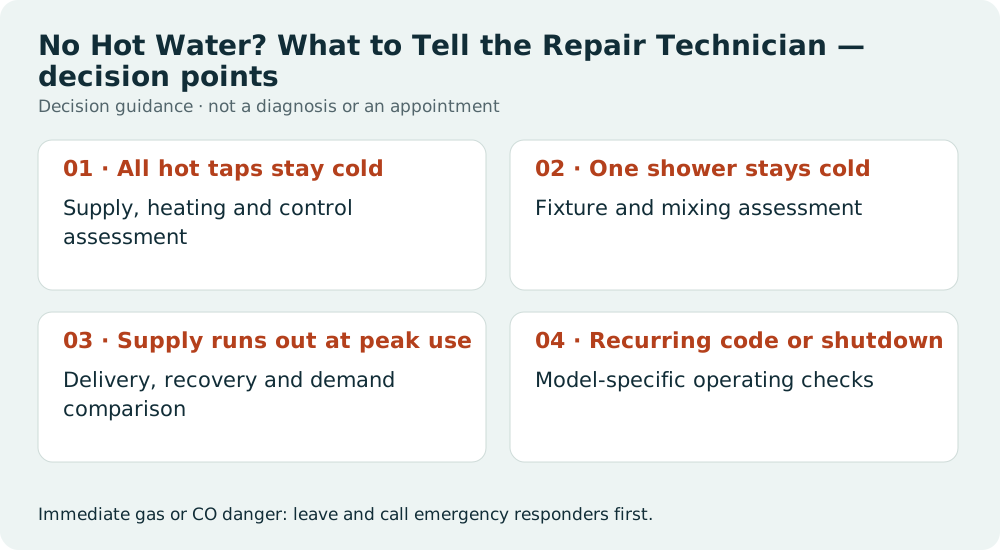
Decisions about what to tell the repair technician
| Observation | Discussion to have | Limitation |
|---|---|---|
| All hot taps stay cold | Supply, heating and control assessment | A failed part cannot be identified at the tap alone. |
| One shower stays cold | Fixture and mixing assessment | Changing the heater may leave the fixture fault unresolved. |
| Supply runs out at peak use | Delivery, recovery and demand comparison | A working heater can still be undersized for the use. |
| Recurring code or shutdown | Model-specific operating checks | A reset is not evidence that the cause has gone away. |
The table is a way to organize a service discussion, not an equipment test. A clear symptom report helps distinguish a fault from demand or installation concerns. Professional assessment still needs the actual model and conditions. Do not select a component, cleaning method or replacement solely from a comparison that cannot inspect your heater.
Put the information into a useful call
- Use what to tell the repair technician as a preparation topic, then begin the call with what actually happened at the property. Mention active leakage or shutdown before routine maintenance questions.
- Give the physical job address and ZIP, equipment type and any safely readable model or warning. Identify what is known and what history is missing.
- Explain access and authority to approve work. At a business or rental, the occupant, manager and equipment contact may be different people.
- Confirm the service provider, actual coverage, visit arrangements and scope. A website inquiry is not a booked appointment, and a call click is not evidence that service occurred.
Questions about what to tell the repair technician
Should I tell the technician which part I think failed?
You can mention a concern, but distinguish it from a tested finding. Explain the observed symptom first. If you have not had the part assessed, do not describe an online suggestion as a confirmed diagnosis. A clear symptom report helps the professional investigate rather than replace a guessed component.
What if I cannot safely see the model?
Say that the label is inaccessible. Do not remove a cover, enter standing water or reach around hot equipment to find it. The request can begin with the heater type, fault pattern and physical address; the model can be established through appropriate access during assessment.
Does a call mean an appointment is booked?
No. Confirm who will perform the work, eligibility, visit timing and the arrangements directly. This is an independent service site; it does not promise a specific provider or arrival time. Have the authorized access contact ready for rental or commercial equipment.
What to take from this guide
What to tell the repair technician is useful when it helps you separate what you observed from what still needs testing. Keep the symptom, location, equipment information and access contact together. Ask which finding supports the recommended work and whether anything remains outside the agreed scope.
For the wider service context, read the Burlington water heater repair guide and the linked service page. This is an authorized water heater service website. Calls are accepted 24/7, while provider identity, eligibility and appointment details need confirmation. For a gas odor, CO alarm or immediate danger, leave and contact emergency responders from safety before arranging appliance service.